The Glory of Telling a Story
Tuesday, February, 24th, 2026 Inaugural Cohort Case Studies
The Storytelling & Movement-building Working Group became one of the most intimate spaces in the For Youth, By Youth movement; a place where students arrived with experiences shaped by different cultures, histories, and personal challenges but soon discovered how much their stories resonated with one another. The group brought together young people who had long carried memories they were unsure how to voice, yet felt instinctively that their stories held meaning. Through the movement’s curriculum on Storytelling and Movement Building, they began to see narrative not only as a creative act but as a form of leadership, healing, and civic engagement.
Among the participants was Michel Rutendo Mandiopera, a graduate student at the University of Edinburgh who had already founded Soul Canvas Creations, a storytelling and art-based organization supporting emotional well-being. Her work was rooted in helping others explore their experiences, but she rarely spoke about the childhood fire that claimed her mother’s life and reshaped her own. Even as she guided others through vulnerability, she had not allowed herself to step fully into her own story.
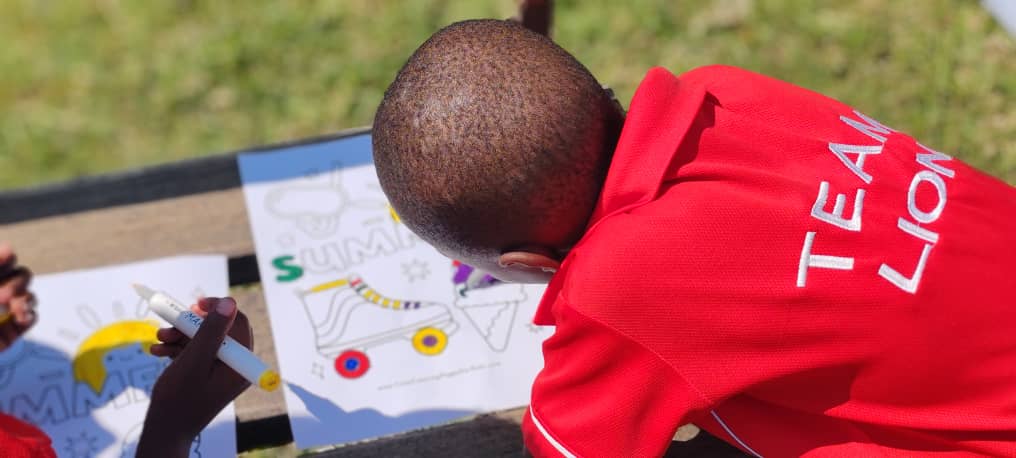 Finding confidence through color: a moment from Soul Canvas Creations.
Across the continent in Cape Town, University of Cape Town student Khomotjo Elvis Mabusela was thinking deeply about memory, technology, and community. His academic research on AI and techno-feudalism led him to worry about how artificial imagery might one day overshadow lived human memory. In daily life, his relationships with a local tuck shop owner and unhoused neighbors pulled him into the realities of food insecurity among students—an issue that shaped his understanding of justice and belonging.
The working group was led by hip-hop artist and educator Dee-1, whose teaching style blended humor, vulnerability, and clarity of purpose. He reminded the cohort often that “your story is your glory.” Under his guidance, participants explored the fundamentals of storytelling: identifying the purpose of a narrative, understanding emotional arcs, experimenting with humor and pacing, and thinking visually as they prepared short video stories. Breakout rooms became unexpectedly tender spaces where students shared childhood memories, moments of fear, and personal turning points. Some of these stories had never been spoken aloud.
As the group listened to one another across countries and contexts, their growing empathy and willingness to speak with intention reflected the movement’s commitment to conscious leadership and global solidarity. As the sessions unfolded, storytelling shifted from something participants learned to something they inhabited. Michel said that finally speaking openly about her mother’s death was liberating. It changed how people connected with her work and how she connected with herself. The more she shared, the more she felt grounded in her mission. For Khomotjo, the techniques he learned helped him articulate the urgency of food insecurity on his campus. He found language to connect his personal encounters with broader social issues, and storytelling became a bridge between his academic research and community advocacy.
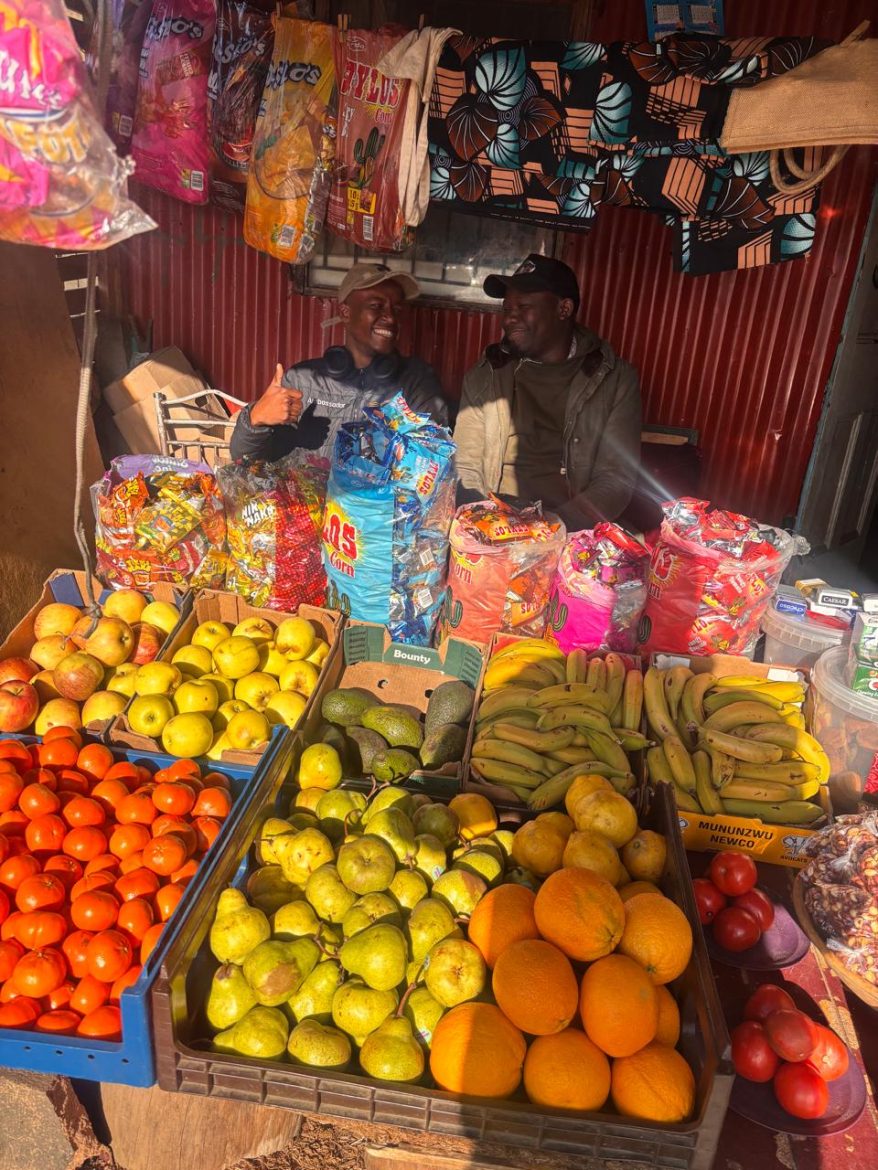 Khomotjo’s work grew from relationships like this one — built on trust, shared stories, and the realities of daily life.
What emerged was a deep recognition that stories carry not only personal meaning but public value. Through narrative, these students revealed community challenges; hidden hunger, trauma, exclusion, that rarely make it into university reports or policy documents. In doing so, they strengthened the ties between their lived experiences and the institutional environments around them. Their stories became part of a larger ecosystem of community–university partnerships, showing how youth leadership can reshape both personal and institutional understandings of well-being, identity, and justice.
The short videos the students produced – some polished, others imperfect – are now early artifacts in the movement’s growing public archive. They demonstrate what the movement hopes to build over the next five years: a knowledge base grounded in youth experience, accessible to future cohorts, and meaningful for educators seeking to understand the role of identity and storytelling in civic learning.
By the end of the working group, the students had learned far more than how to craft a narrative. They had learned to see their stories as a form of scholarship that could help others make sense of the world. They had discovered how storytelling can strengthen solidarity across borders, how personal truth can illuminate social realities, and how the simple act of speaking can become a profound act of leadership. Through their stories, they began shaping the story of the movement itself.
View more stories shared by For Youth, By Youth inaugural cohort members here.